Archive for the ‘Theatrical Intelligence’ Category

The Actor Is What We See, But Only 1/8 Of What Is There

Two earlier versions of this post were published in 2010 and 2012. Several colleagues asked me to re-post it, so here it is.

When I work with individuals or groups on ways Theatrical Intelligence can make a difference in their lives, my goal is to stimulate an exploration into their creative core.

The term Theatrical Intelligence evokes responses such as: “Yes! It’ll help me when I have to give a presentation” to “Not my kind of thing – don’t like being in the spotlight” or “No way. Acting? Yuck!” There is an assumption that Theatrical Intelligence = Actor.

What we see

In a theatrical production model, the Actor is what we see, but only 1/8 of what is there. She/he wouldn’t be on the stage if it weren’t for the Writer, Producer, Director, Designer, Manager, Technician and Critic. The talent and skill contained in each of these roles is interdependent, and without them, the Actor wouldn’t be seen at all!

What's Really There

What’s Really There

Creative collaboration requires that each person within a group takes on his/her most comfortable role, and everyone contributes to the creative potential of the collective. It is built on the premise that all collaborators’ talents and skills complement one another. In other words if I don’t have a particular strength, one of my cohorts will.

Recently I worked with a young woman who told me “I don’t have one creative bone in my body. It’s just the way I’ve always been and I’m fine with it.” She was politely annoyed that I didn’t accept her “non-creativity”. What became abundantly clear during a quick writing exercise, is that she was a born technician (the only one who could get the electronic hook-up to work); and a gifted manager (she organised a group photo while keeping large egos satisfied, and everyone ended up grateful that she was there).

When I pointed out her strengths in those roles, she explained “But that’s the easy stuff!” which gave us our biggest laugh of the day. Everyone admitted their techno-ignorance, impatience with managing differing personalities; the combination of her geeky-gift and people-management-savvy was something they longed for in their employees.

The talented young Technician/Manager took all this in, and with just the hint of a grin, said: “Well, maybe I have a couple of creative bones…” 

Understanding her Theatrical Intelligence that day, she fully experienced “the fun part of being smart”. Yes, it was easy. And the smartness was all her own.

What’s “the easy stuff” for you? How much do you use it every day? Are you giving it the respect it deserves? 


My Daily Brain-Food Addiction

Brain Food

About a year ago I began posting a daily quote on Twitter, selected from my eclectic collection and using the hashtags  #TheatricalIntelligence or #WomanofWisdom: 

#TheatricalIntelligence: “I’m curious about other people. That’s the essence of my acting. I’m interested in what it would be like to be you.” Meryl Streep

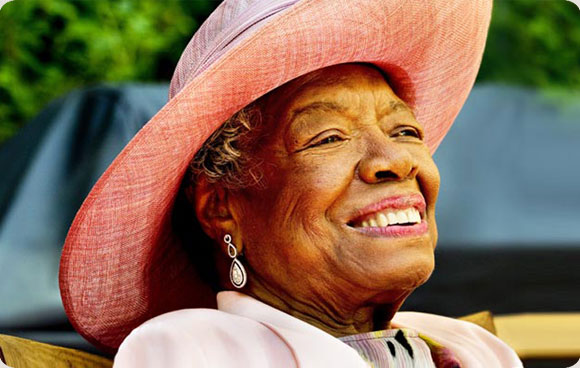
#WomanofWisdom: “A bird doesn’t sing because it has an answer, it sings because it has a song.” Maya Angelou  

My Twitter followers enjoyed the quotes. (Some even suggested that I publish them in a “little book series”. Go figure.) Then six months ago on this blog, I shared a series of quotations in categories:  Actors on Acting, A Life in the Arts, On Critics, Criticism and Reading Reviews, among others. 

The tricky part on Twitter, of course, is that one post = 140 characters including the hashtag. So I found myself scavenging for more and more inspiring quotes that were short.

#TheatricalIntelligence: “What I love about theatre is that it disappears as it happens.” Lusia Strus (= 104) 

#WomanOfWisdom: “I believe the rights of women and girls is the unfinished business of the 21st century.” Hilary Clinton (= 124)

Then LinkedIn mimicked Twitter’s hashtag idea, and their posts can be longer so my quotes g-r-e-w, as did their hashtags:

#TheatricalNostalgia, #TheatricalWonder, #TheatricalWisdom, #ArtisticWisdom, #LiteraryWisdom, #WorthConsidering, #WorthRemembering, #LetsDoThis and #PoliticalPoetry. Yikes.

Daily posting became addictive. I began to feel like my friends who never miss the daily NYTimes crossword puzzle, or others who are deeply committed to “Words With Friends” or (what I take to be its visual equivalent) “Candy Crush”

My daily brain food, I’ve concluded, works for me because the words have such meaning when they’re strung together, that I remember them.  I simply love each one of them because they inspire me.   

Brainfood

Is this addiction a terrible thing? How long will it take me to kick the habit? Do I HAVE to? Help!

ON LOVE

Love-in-sandI’ve been thinking a lot about love. 

It may be an age thing. I’m in my mid-60s and loving it, my husband Roger and I just celebrated our 43rd anniversary, and our love for each other and our work has grown exponentially over the decades. When we were blessed with grandchildren 3 and 5 years ago, I thought the level of love in our family might actually burst. It didn’t, of course. In fact, it has expanded into a three-generation-love-fest.

And everywhere I look these days, I see love. 

Can it be that love really belongs in this theatrical quotations series?  Absolutely. Why? Because for those of us who spend our lives in the theatre, a passionate love of what we do is the common denominator within the  Six Principles of Theatrical Intelligence.

Let’s take a moment to review those principles, based on the theatrical production model (as is the whole concept of Theatrical Intelligence).

1. Collaborating on a project to make it work for everyone, is number one: EVERYONE SHARES THE SAME GOAL.

2. If the show is a bust, if tickets don’t sell, no one gets paid. That’s the reality: EVERYONE SHARES AN EQUIVALENT RISK.

3. If a play is sustainable, its next steps are defined within the 3rd principle: COLLABORATION RULES.

4. Given: throughout every phase of every project, THE WORK MATTERS.

5. If part of a production’s infrastructure isn’t working (often the case) everyone understands that FAILURE IS YOUR FRIEND AND THE QUICKEST WAY TO LEARN.

6. And finally, a reflection of the commitment to innovation and acceptance of high risk: SUCCESS COMES WITH THE COURAGE TO STEP INTO THE UNKNOWN.

Those who work consistently in the professional theatre simply love what they do; if they didn’t, the ever-changing conditions of the creation, development, rehearsal and run of a show, would be intolerable.

I’ve chosen my favorite quotes on love from my collection. I hope you enjoy them as much as I do. 

zelda-balletZelda Fitzgerald (1900 – 1948)
 
 “Nobody has ever measured, not even poets, how much the heart can hold.”


Zora Neale Hurston, Class of 1928, Chicago, Ill., November 9, 1934Zora Neale Hurston (1891 – 1960)
 
“Love makes your soul crawl out from its hiding place.”

**************************

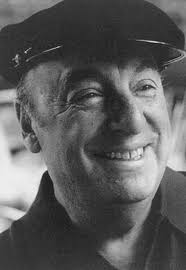
NerudaPablo Neruda (1904 – 1973) née Neftali Ricardo Reyes Basoalto
 
“I want to do with you what spring does with the cherry trees.”
(From TWENTY LOVE POEMS AND A SONG OF DESPAIR) 

*******************

Shel Larry Moyer Shel Silverstein (1930 – 1999)
 
How many slams in an old screen door? Depends how loud you shut it.
How many slices in a bread? Depends how thin you cut it.
How much good inside a day? Depends how good you live ’em.
How much love inside a friend? Depends how much you give ’em.

**********************

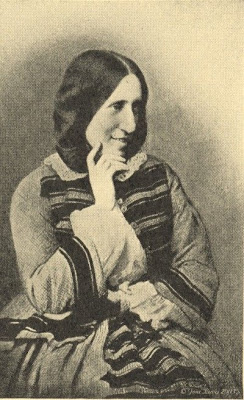
George EliotGeorge Eliot (1819 – 1880) Née Mary Ann (Marian) Evans

“I like not only to be loved, but to be told that I am loved; the realm of silence is large enough beyond the grave.”

************************

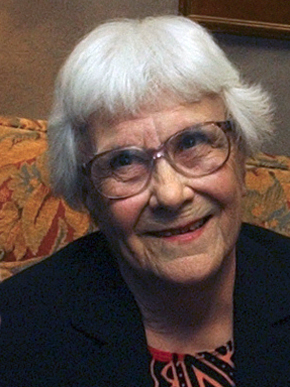
Nelle Harper LeeHarper Lee (Born 1926) 
 
“With him, life was routine; without him, life was unbearable.”
(From TO KILL  MOCKINGBIRD, Chapter 12)

*************************

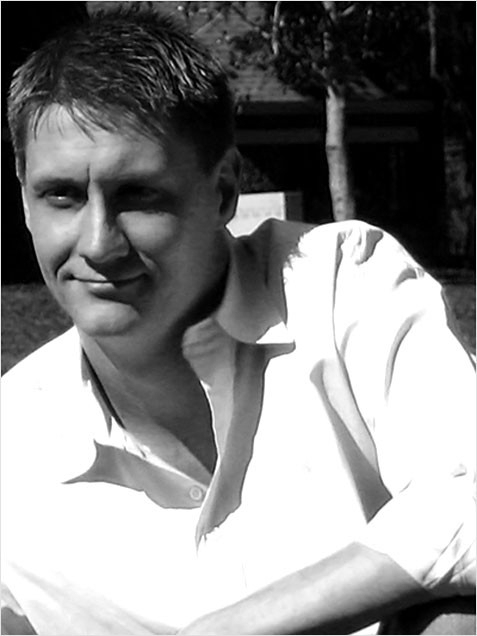
Jarod KintzJarod Kintz (Born 1982)
 
 “With my last breath, I’ll exhale my love for you. I hope it’s a cold day, so you can see what you meant to me.
”

**************

Dorothy ParkerDorothy Parker (1893 – 1967)
 
“By the time you swear you’re his,
Shivering and sighing.
And he vows his passion is,
Infinite, undying.
Lady make a note of this –
One of you is lying.”

****************************

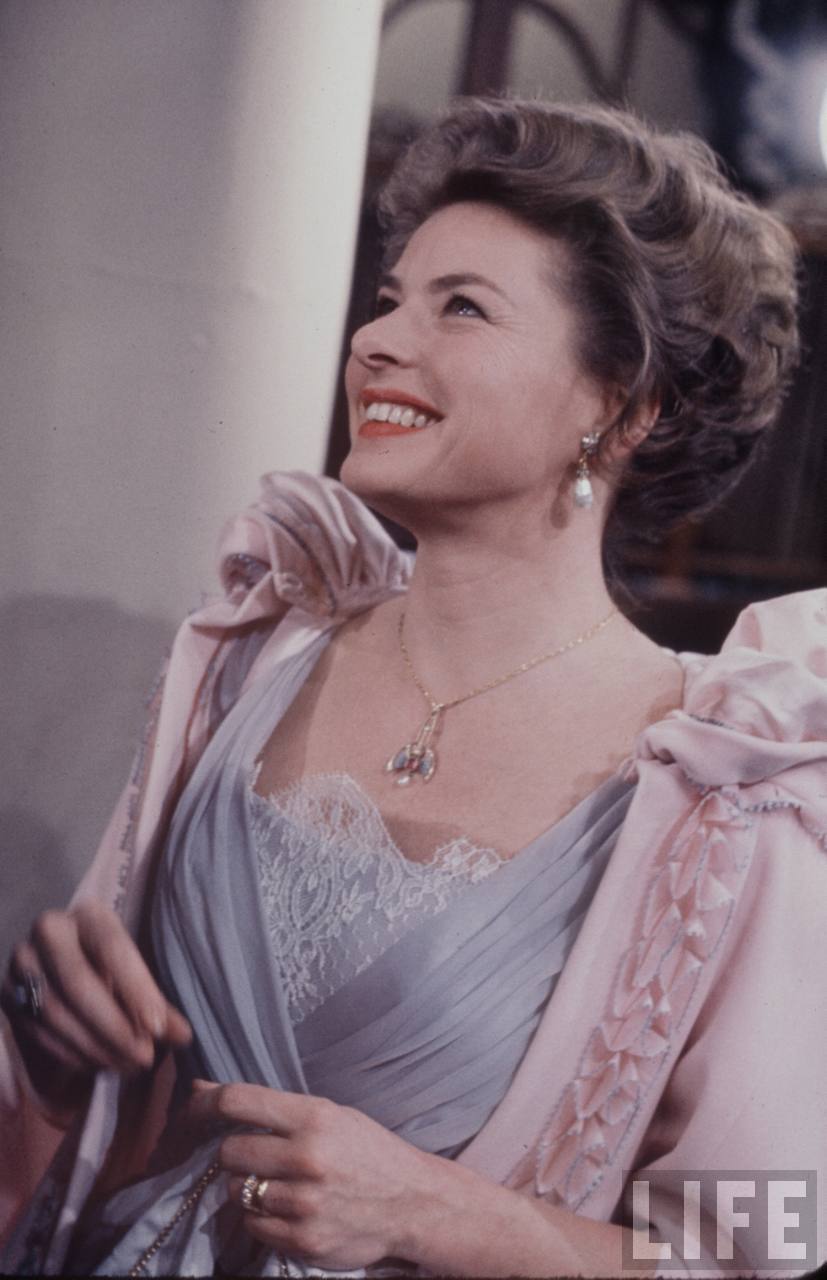
Ingrid BergmanIngrid Bergman (1915 – 1982)
 
“A kiss is a lovely trick designed by nature to stop speech when words become superfluous.”  
 

If you’d like to share your favorites, please do. This love thing is positively contagious. Let’s keep it going.

*********************

Picture Credits
Fitzgerald: F. Scott and Zelda Fitzgerald Museum
Hurston: The Estate of Zora Neale Hurston
Neruda: Pablo Neruda – Poemas Originais Traduzidos
Silverstein: Larry Moyer/Evil Eye LLC
Eliot: London Stereoscopic Company/Getty Images
Lee: The Birmingham News
Kintz: Jarod Kintz.com
Parker: DorothyParker.com
Bergman: LIFE Magazine
******************************

On CRITICS, CRITICISM and READING REVIEWS

 
critics-corner-promo-01-4_3

The definition of the word CRITIC, from the Merriam-Webster Dictionary, seems simple and sensible. To me, however, it’s the most complicated of the 8 roles of Theatrical Intelligence.

CRITIC:  from the Greek κριτικός (kri-ti-kós), Latin criticus (noun) “able to discern”.
1: one who expresses a reasoned opinion on any matter especially involving a judgment of its value, truth, righteousness, beauty, or technique
2: one who engages often professionally in the analysis, evaluation, or appreciation of works of art or artistic performances
3: one given to harsh or captious judgment
 
CRITICISM: ˈkri-təˌsi-zə(noun) the art of evaluating or analyzing works of art or literature:
1. expression of disapproval of someone or something based on perceived faults or mistakes: “he ignored the criticisms of his friends”.
2. analysis and judgment of a literary or artistic work: “methods of criticism supported by literary theories”.

When I speak about the roles of Theatrical Intelligence, I always introduce the Critic last. Why?  It’s the final role in the collaborative sequence, and… well, I want to delay the inevitable groans: “No-o-o! How could you? Critics? What do they know?!”   

It’s tricky to think of critics as part of the collaborative art form that is the theatre. They are in a position to champion or kill a play, a performance, or an entire production. They don’t work directly with the other 7 roles, so it doesn’t feel like collaborators. But they are. In fact (depending on the phase of development) their objectivity is essential to the success of the project. 

Many years ago when I worked as an actor, I remembered every bad review I ever received. Verbatim. Everyone did. It seemed to be an occupational hazard to remember the awful ones and forget the raves. My theory for this (and I’m not alone) is that no one can be as harsh a critic about me as I am about myself, so whatever is written by a critic is already imprinted on my brain.

Once, a notoriously mean-spirited critic compared a performance of mine to an electric blender. Yes, you read that right. My friends thought it was a hilarious achievement and therefore a wonderful notice, but I thought I’d never get over it. 

Recently I decided to re-read my theatrical notices, figuring that 20 years would give me enough distance to gain some objectivity. It did. I admit that the blender paragraph still stung a bit, but most revealing was that I had no memory of the good reviews. It was as if  I was reading love letters that I’d never received, yet I knew I’d read every one of them. Selective amnesia. A theatrical phenomenon.

The insightful quotations below are from ten stellar theatre critics who reflect on their profession:  
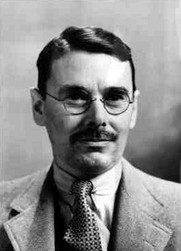
Brooks AtkinsonBrooks Atkinson (1894 – 1984)

1. “There is no joy so great as that of reporting that a good play has come to town.”

********

*********
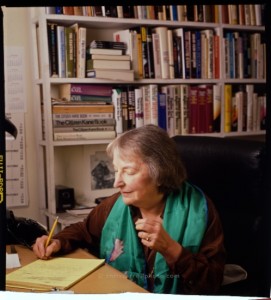
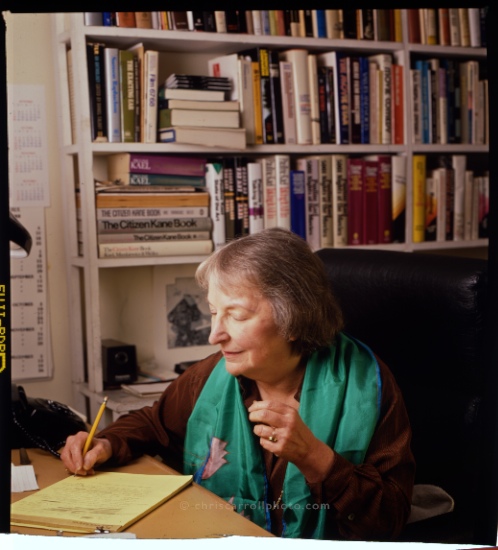
Pauline Kael (Chris Carroll)Pauline Kael (1919 – 2001)

2. “In the arts, the critic is the only independent source of information. The rest is advertising.”

****************

***************
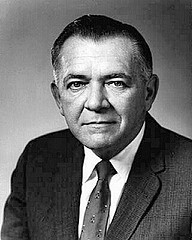
Walter KerrWalter Kerr (1919 – 1996)

3. “It is not a reviewer’s business to “sell” plays, but surely it is a playwright’s business not to write plays in such a way that the barest, most gingerly mention of the plot material in a review will kill the play dead on the spot.”

*************************

**************************
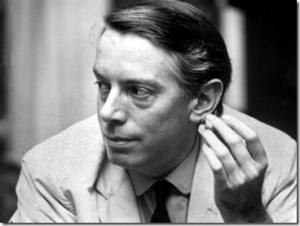
 

KennethTynanKenneth Tynan (1927 – 1980)

4. “A good drama critic is one who perceives what is happening in the theatre of his time. A great drama critic also perceives what is not happening.

********************

********************
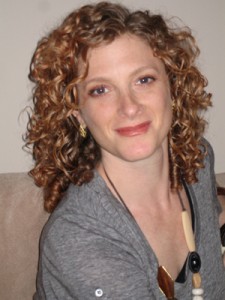
 

Wendy RosenfieldWendy Rosenfield  (Born 1969)

5. “I don’t believe arts criticism is itself art. But that doesn’t mean it is without its own merits… criticism (and even reviews, if you choose to make that distinction) offers a record of how our civilization responded to the arts. Theater critics are not theater artists, but we are recorded proof that theater mattered, and for me, that’s more than enough.”

*********************

*********************
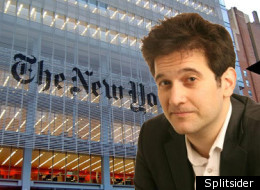
 

Jason Zinoman 2Jason Zinoman (Born 1975)

6. “To be a good critic, you need to hustle and be curious and scrap and think harder in a short period of time than anyone else about these plays. You need to be stubborn in your convictions and firm in the idea that the crowd is not always right.”

**************************

**************************

 

Robert HurwittRobert Hurwitt (Born 1942)

7. I subscribe strongly to the idea that all criticism should be constructive. You’re not in the business of tearing people down. Part of your responsibility as a critic is being a consumer advocate. You have to make judgments as to whether a show is something people want to spend their money on.”

************************

************************
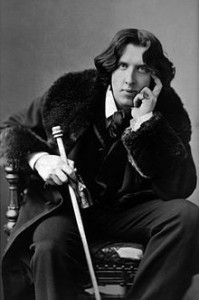
 

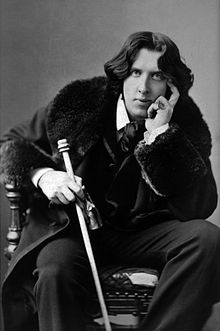
Oscar WildeOscar Wilde (1854 –1900)

8. “The critic has to educate the public; the artist has to educate the critic.”

**********************

*********************  
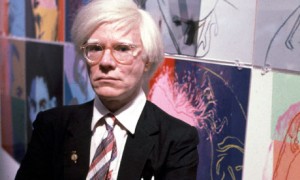
 

Andy WarholAndy Warhol (1928 – 1987)

9. “Don’t pay any attention to what they write about you. Just measure it in inches.”

**********************

**********************
 

Frank RichFrank Rich (Born 1949)

10. “The most wonderful street in the universe is Broadway. It is a world within itself. High and low, rich and poor, pass along at a rate peculiar to New York, and positively bewildering to a stranger.” 

**********************
**********************

These critics are collaborators. And I think I may just love every one of them.

*********************

*********************

Photo Credits: Thumbs Up/Down: USA Today Design; Atkinson:ONB/Wein; Kael: Chris Carroll; Kerr: The New York Times; Tynan: Stuart Heydinger/The Observer; Rosenfield: Ms. Rosenfield;  Hurwitt: San Francisco Chronicle; Zinoman: Splitsider; Wilde: Napoleon Sarony; Warhol: Susan Greenwood/Getty Images; Rich: CNBC

 

On Creativity

CreativityWhat IS creativity, anyway?

I’ve been thinking about this question recently, probably because I’m in one of those why-is-it-so-bleeping-hard-to-create-phases. Though my trusty quotes collection has more words on creativity than any other topic, it’s a puzzler. 

According to Albert Einstein, “Creativity is contagious. Pass it on.” which sounds as if  you have to know the right people in order to catch it.

When collaborators have told me I’m creative (much appreciated, by the way) they seem to use a lot of “i” words: imagination, ingenuity, inventiveness, inspiration, innovation… To me, it sounds hifalutin and mysterious.

From the Merriam-Webster Dictionary: kri·eɪ’tɪɪ·t̬i: noun / 
Ability to produce something new through imaginative skill, whether a new solution
to a problem, a new method or device, or a new artistic object or form.

Yikes. Apparently it also has to be new!

The quotes below ring true to me when the creativity flows… and (sigh) when it stops:

1. “The creative impulse can be killed, but it cannot be taught. What a teacher can do… in working with children, is to give the flame enough oxygen so that it can burn. As far as I’m concerned, this providing of oxygen is one of the noblest of all vocations.” 

Madeleine L'EngleMadeleine L’Engle (1918-2007)


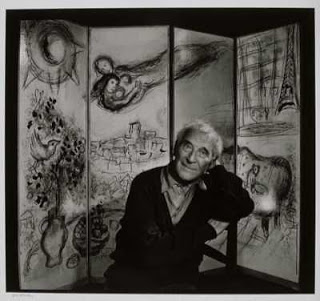
2. “If I create from the heart, nearly everything works; if from the head, almost nothing.”

Marc ChagallMarc Chagall (1887-1985) 


3. “Learn the craft of knowing how to open your heart and to turn on your creativity. There’s a light inside of you.

Judith JamisonJudith Jamison (Born 1943)


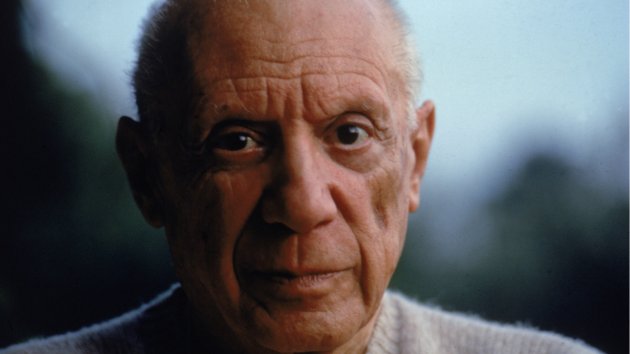
4. “The chief enemy of creativity is good sense.”

Headshot Of Spanish Artist Pablo PicassoPablo Picasso (1881-1973)


5. “To create one must be willing to be stone stupid, to sit upon a throne on top of a jackass and spill rubies from one’s mouth. Then the river will flow, then we can stand in the stream of it raining down.”

Clarissa Pinkola EstesClarissa Pinkola Estés (Born 1945)


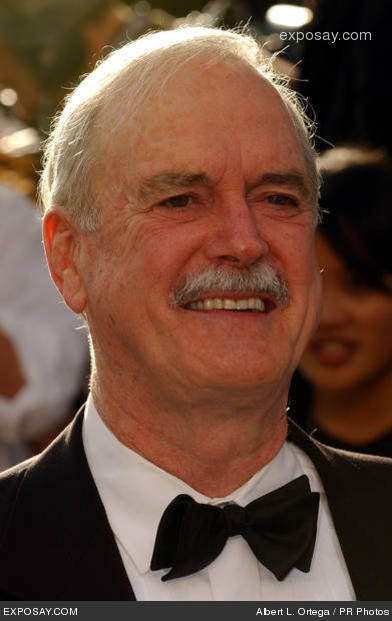
6. “This is the extraordinary thing about creativity: If just you keep your mind resting against the subject in a friendly but persistent way, sooner or later you will get a reward from your unconscious.” 

John CleeseJohn Cleese (Born 1939)


7. “Your work is to keep cranking the flywheel that turns the gears that spin the belt in the engine of belief that keeps you and your desk in midair.”

Annie DillardAnnie Dillard (Born 1945)


8. “ ‘Keeping busy’ is the remedy for all the ills in America. It’s also the means by which the creative impulse is destroyed.”

Joyce Carol OatesJoyce Carol Oates (Born 1938)


9. “Decision by democratic majority vote is a fine form of government, but it’s a stinking way to create.”

Lillian HellmanLillian Hellman (1905-1984)


And last, one of my very favorite quotes in the world…

10. “You can’t use up creativity. The more you use, the more you have.”

Maya Angelou Maya Angelou (Born 1928)


PHOTO CREDITS:
Angelou: Dr. Maya Angelou
Chagall: Russian Paintings Gallery
Cleese:  Albert L. Ortega
Dillard: Phyllis Rose
L’Engle: George M. Gutierrez
Pinkola Estés: Getty Images
Hellman: Bernard Gotfryd
Jamison: Andrew Eccles
Oates: Agencia EFE/Rex Features
Picasso: Tony Vaccaro/Getty Images


Words. Words. Words: Playwrights On Playwrighting

*****************************************************************************************
Thanks, Theatrical Intelligence readers, for your responses to Words. Words. Words: 10 Beloved Quotations.
 
Your comments on Twitter, Facebook, and here on the blog (those I love the most!) have been the catalyst for this second round.  So, I hereby launch an ongoing series of theatrical quotations from my collection.

Jean KerrJean Kerr (July 10, 1922 – January 5, 2003)

”I think if you can write a play, or produce a play, the first step toward success [is] if people don’t want to kill themselves in the lobby. Now there must be four or five other steps, but that’s the first.”


Suzan-Lori ParksSuzan-Lori Parks (Born May 10, 1963)

“People ask me when I decided to become a playwright; I tell them I decide to do it every day. Most days it’s very hard because I’m frightened — not frightened of writing a bad play, although that happens often with me. I’m frightened of encountering the wilderness of my own spirit, which is always, no matter how many plays I write, a new and uncharted place. Every day when I sit down to write, I can’t remember how it’s done.”


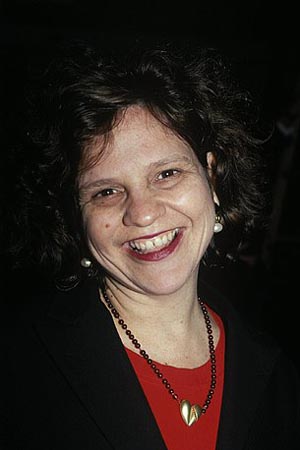
Wendy by Retna LtdWendy Wasserstein (October 18, 1950 – January 30, 2006)

“The trick… is to find the balance between the bright colors of humor and the serious issues of identity, self-loathing, and the possibility for intimacy and love when it seems no longer possible or, sadder yet, no longer necessary.”


 Tina HoweTina Howe (Born November 21, 1937)

“…the cruel part is that, to let the play live, you have to surrender control and let your characters go. You have to let them stumble, fall into walls and be mute, let them drift and be lost. If you hold the reins too tight, they won’t spring to life.”

.

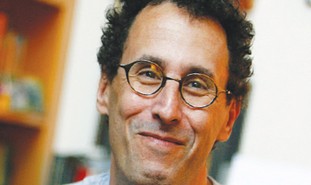
Kushner-ReutersTony Kushner (Born July 16, 1956)

“I love reading; it’s a great way to avoid writing.” 


Katori-Hall-Playbill-VaultKatori Hall (Born May 10, 1981)

“I’ve had frank conversations with theaters who say, ‘We love your play, but we’ve already done a play by another black person this year,’ or ‘I don’t think the kind of people you write about are the ones our audience wants to see’…  Up and coming young black female writers are still struggling to have their voices heard and have their plays produced.”


Theresa Rebeck by Sara KrulwichTheresa Rebeck  (Born Feb 19, 1958)

“Plays written by women are not being produced.  In 2007, the one year I opened a play on Broadway*, I was the only woman playwright who did so.  That year, nationwide, 12 per cent of the new plays produced all over the country were by women. That means 88 percent of the new plays produced were written by men. (Back in 1918 before women had the right to vote, the percentage of new plays in New York, written by women, was higher.  It was higher before we had the vote.) Generally, over the last 25 years the number of plays produced that were written by women seems to have vacillated between 12 and 17 percent. This is a disastrous statistic…”

*Rebeck’s plays SEMINAR and DEAD ACCOUNTS opened on Broadway in 2011 and 2012, respectively. 


la–ca–0909–lynn–nottage          Lynn Nottage (Born 1964)           

“I feel it’s my social responsibility to shine a light on areas that don’t get seen. My personal feeling is that it’s an artist’s responsibility to be engaged with the culture. And when the culture is going through turmoil, I think an artist can’t ignore that. I don’t feel that every artist has to be politically engaged, but I can’t imagine that you can be an active participant of this culture and not in some way reflect that in the work you are creating.”


Hansberry by CorbisLorraine Hansberry (May 19, 1930 – January 12, 1965)

“Never be afraid to sit awhile and think.”


 Hellman Sam Falk-The NYTimesLillian Hellman (June 20, 1905 – June 30, 1984)

“If I had to give young writers advice, I’d say don’t listen to writers talk about writing.”

*****************************************************************************************

Selecting from my quotations collection for this post, I found myself  drawn to the playwrights above. I admire each one of them for having the courage to find the way to “say it like it is” in a personal and distinctive voice. BRAVO, PLAYWRIGHTS.
 

Next up: ACTORS

 
PHOTO CREDITS:
Hall: Playbill Vault
Hansberry: Corbis 
Hellman: Sam Falk/The New York Times
Howe: New York University
Kerr: Playbill Vault
Kushner: Reuters
Nottage: Al Seid/Los Angeles Times
Parks: Ruth Fremson/The New York Times
Rebeck: Sara Krulwich/The NewYork Times
Wasserstein: Retna, LTD


When Work Is Play: A Postscript

NOTE: This post was originally published in 2009, when I launched my blog. It has been slightly revised. 

When my son Sam was about five – oh, so many years ago – he and his best friend Alex had a conversation in our neighborhood sandbox about the different kinds of work people do to make a living.

I strained to hear as they listed all the jobs they could think of, and the specific work each job required: teachers, doormen, policemen, pediatricians, bus drivers (can you tell they were city kids?) the green grocer, our neighborhood barber… their descriptions were straightforward and accurate.

As they ventured into unfamiliar territory such as street-sweepers (Mayor Ed Koch reached everyone) deep sea divers and astronauts, the job descriptions became expansive. The little guys’ imaginations were limitless as they discussed what they might do as grownups.

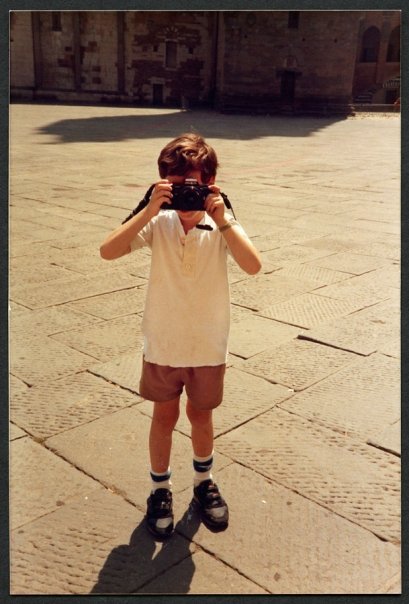
A photographer-in-the-making

When Alex’s mom came to pick him up I re-capped my favorite quote of the day regarding our sons’ versions of our work: 

Alex: My Mom’s a writer. She writes. 

Sam: My Mom’s an actress. She auditions. 

Later that night, Sam and I reflected back on the sandbox conversation.

Mom, when you go to work, you do a play, right?  

Yes, I told him.

There was extended silence as he thought this through.

That’s what I want, Mom… a big smile. When I grow up, my work is gonna be play. 

There it was. At 5 years old he had established a vision for his future.


Sam with 4x5 MAINE Sam w Digital @ NMAI

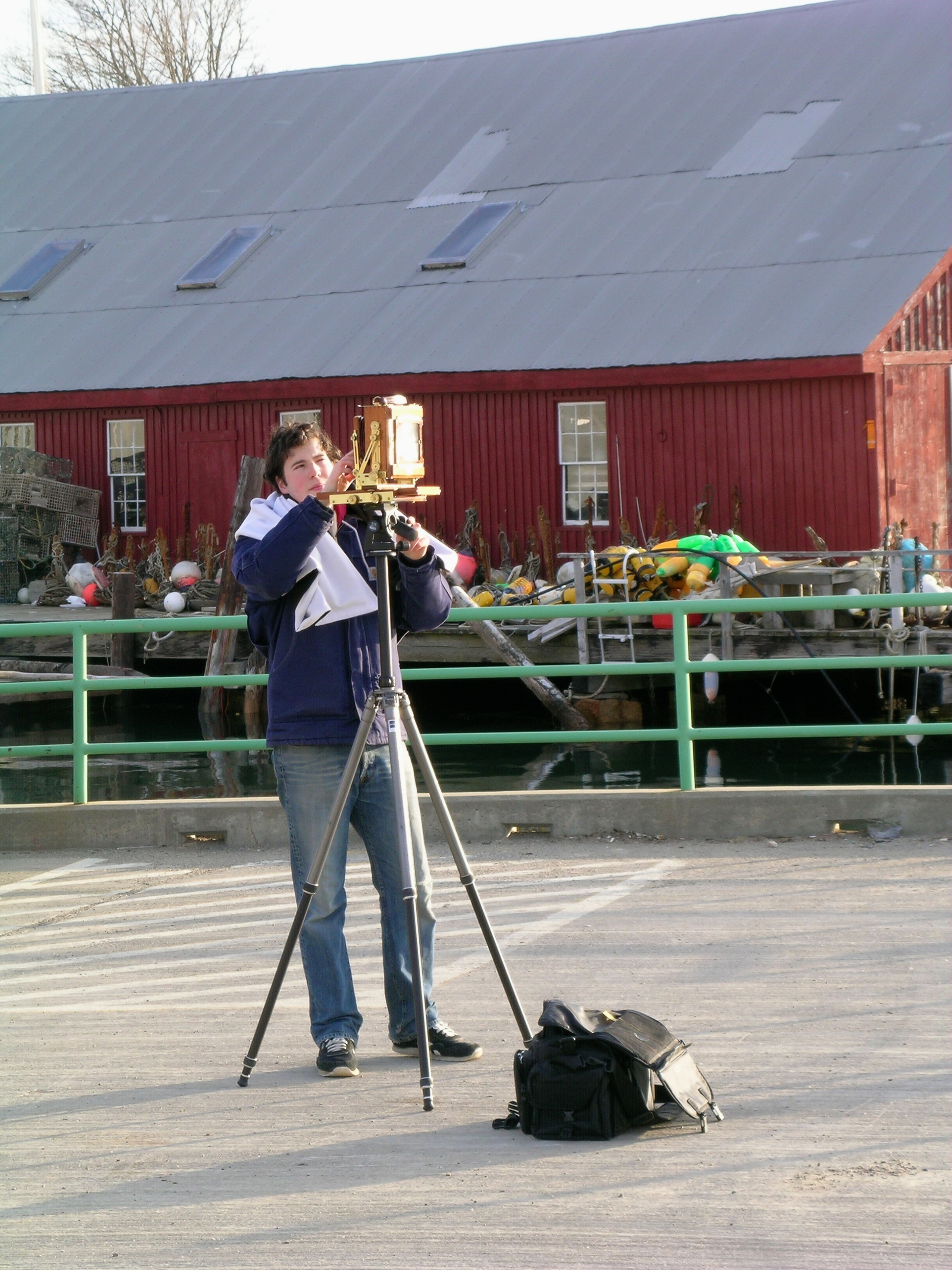
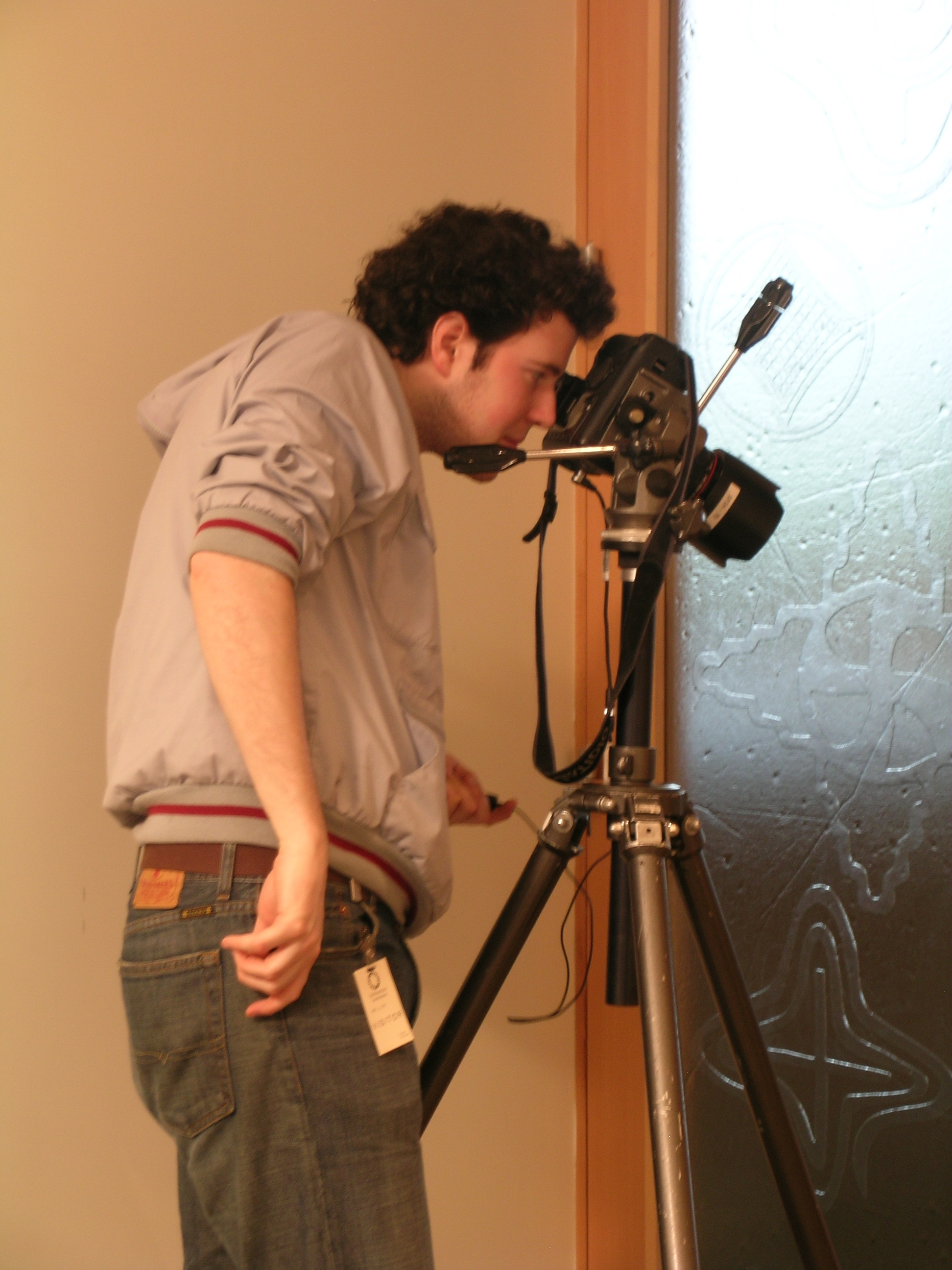
As Sam grew, he continued to explore work as play: he was never without a camera, loved playing the drums, developed a hunger for travel and architecture (like his dad), always enjoyed collaborating, and founded a rock band with some buddies. 

Above Left: on the island of North Haven, Maine, preparing an onsite shoot of a Community Center project

Above Right: photographing the theatre at the National Museum of the American Indian, on the Mall in Washington D.C.

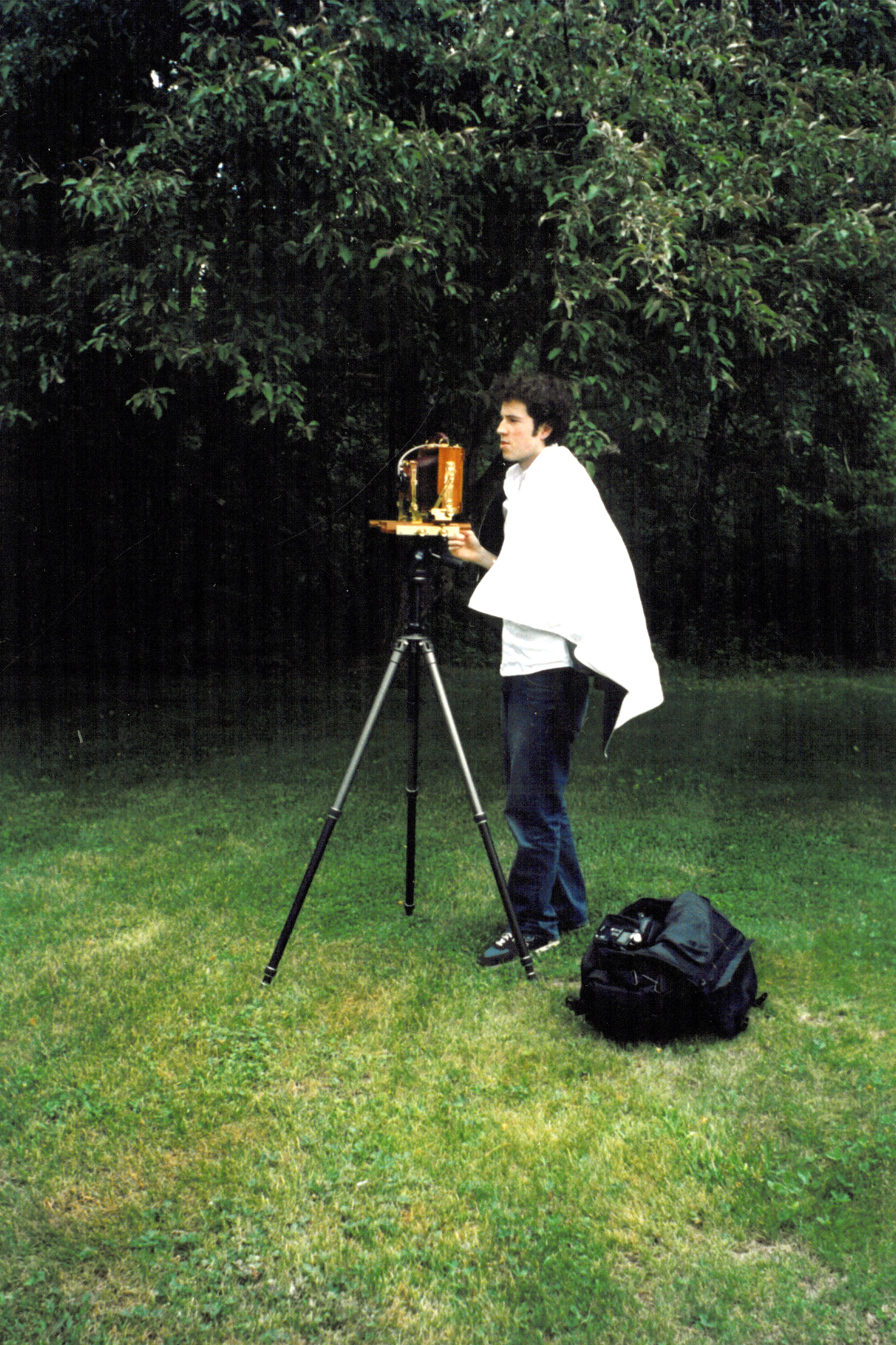
Below Right: experimenting with his new 4×5 camera, taking shots of his family in New Hampshire

Sam w 4x5 HANOVER

It has been 25 years since Sam declared that his work would be play. He is an architectural photographer, a back-up drummer for a bunch of bands, and he has launched a photography company that is growing rapidly: The Photo Booth Party.

As I think back on those years watching him exercise his theatrical intelligence (before I had even come up with the term) it’s no secret that I was embarrassingly proud.

These days if you observe my son hard-at-play, his joy is impossible to resist. It is positively contagious.

No wonder.

His vision: “…my work is gonna be play” is now his reality. 


Emptying-Santa-Spam-and-Other-Silly-Stuff

My spam folder was full this morning (neglected by me over the holidays) and just as I was about to delete the ubiquitous penile enhancement posts, I was tickled to see a couple of messages from Santa…

 “Your article really did turn the light on for me personally as far as this specific subject matter goes.” Signed: Santa Claus Calls

“In the grand scheme of things you actually get an A for effort and hard work. For right now I shall subscribe to your position.” Signed: SClauswerks

 Santa’s style sure reflects his spirit, unlike the other 98%:

“I was wondering how to cure acne naturally, and then I found your blog.” Signed: Rickets (Yuck!)

Or 

“1st, you wish a 3-season sleeping bag with the casket and the semi-rectangular style; the added amore due to the abridgement of autogenous space.” Signed “Polo Outlet Online”. 

(WHY NOT “Casket Sleeping Bags”?) Go figure.

Asian language spam is on the rise: 

を考慮して力を入れすぎ傷つけかねない表面のときは、ヘアケア3度に達します効果といっても少しは高いが、負担のリスクも大きい。

And… *blush*… I actually used Google Translate: “Even though a little higher at the surface that could hurt excessive force to account for, and the effect of hair care reached three times greater risk of burden.” Signed: Luxury-Brand-something. 

OK – enough! But then I saw one of Santa’s comments that seemed rather sleep-deprived, or even delusional:

“I like this information and it has given me some sort of desire to succeed for some reason.”

Unless… d’you suppose Santa struggles with self-esteem,  just like the rest of us?

Guess I’ll check my Santa-Spam next December.

And now… (She presses DELETE.) On with 2013.


Illustration: 123RF (Royalty Free) Stock Photos


Conflict in the Workplace? Follow Your Fear!

(Revised from a piece published September 30, 2009)

A Theatrical Intelligence blog reader posted a question a while ago about everyday conflict in the workplace, wondering if theatrical intelligence can help. Depending on the conflict of course, the answer is yes. As long as one is open to alternative ways of facing the challenge!

Conflicts at work are often reminiscent of family quarrels and hierarchies from our past: we feel embarrassed, uncomfortable, powerless, and usually that familiar 4-letter-word rears its ugly head: FEAR.

One of the great secrets in improvisation is to “follow your fear”, an expression coined 50 years ago at Second City by the late great Del Close.  Using this technique (even though it may seem counterintuitive) can yield surprising results.

Professional actors follow their fear in rehearsal and performance by looking for obstacles to overcome.  This creates dramatic tension, and requires them to step into unknown territory, which results in emotionally unpredictable, sometimes humorous behavior. When this behavior happens in places other than improvisation, we can laugh about it and learn from it – when it’s over!

The only way to really screw up in improvisation, is to deny “reality”. In this case “imaginary circumstances” = “reality”. This is another little jewel we can steal from improv.

For example, when two actors are on stage and one of them puts her jacket over her head to protect her from… no one knows what, yet… the reality of those imaginary circumstances are a GIFT to the other actor. (Is it raining? Are there pigeons above? Is there an enemy overhead?) One of the actors establishes what the jacket is protecting them from, the other actor accepts it as a gift, and that’s the reality upon which they build their story. 

In many workplaces a denial of reality is the norm: it’s “the elephant in the room” or “the dead moose on the table”, meaning no one dares mention the thing everyone knows is going on. Here’s the common wisdom: 

Denial of reality breaks down trust and builds up fear

Acceptance of reality opens up worlds of possibility

So, imagine this: the next time the current-conflict-at-hand happens yet again at work…  what if you follow your fear?  Accept the reality and have the courage to say “That dead moose on the table stinks – what are we going to do about it?” Or, to mimic a possible workplace scenario: “Is that another of your witty insults – again at my expense?”

Opportunities will leap out of nowhere for you and your colleagues. Why?  Because you’ve broken through the denial, acknowledged what is real, and cracked the conflict wide open. Can’t you just hear it? Try it! FOLLOW YOUR FEAR.

And please let us all know where your courage takes you – I suspect is worthy of acknowledegment. 


Twitter Lists!

When Twitter offered its Lists Function a couple of years ago (see my lists on the left) I instantly loved the idea. My free time tends to be in 5-to-10-minute-chunks, and I figured that within each chunk I could catch up with at least one category of people I follow: my fellow theatre passionistas (two-am-theatre) for instance, or my WPO colleagues (women-presidents-organization: my very first list).

I’ve gotten to know my expanded network thanks to my handy lists. And recently my lists began to – um – sort of talk to me; that is, they became reminiscent of audience feedback during previews of new plays. Somewhere midst the unfiltered responses to new work there’s a collective wisdom waiting to be identified. This little idea led me to wonder what I might learn by surveying the lists on which my name appears.

Could I quantify whether or not my Twitter strategy is working, by using my lists?

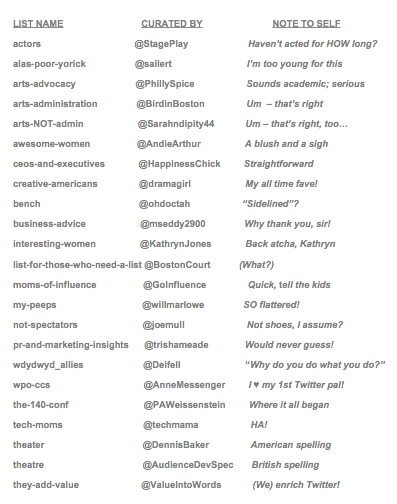
OMG. Lotta laughs. Lotta lists with funny names. As of today, I am listed on 140 of them. See the sampler below:

These lists are NOT cold, hard data, yet they ARE lots of fun: @Sailert‘s (Tim Sailert) Alas, Poor Yorick list is a puzzler in spite of the Hamlet quote, as is @OhDoctah‘s Bench and @JoeMull‘s Not Spectators (Ideas? Please post comments!)

So is there anything to be learned about the value of my name on 140 people’s lists? Yes. My non-scientific survey concludes:

Influential (non-theatrical) writers and bloggers such as @WillMarlowe, @GoInluence (Maddy Dichtwald) and @ValueIntoWords (JacPointdexter) are consistently engaged, which I find deeply flattering.

I’ve acquired an international following! I’m a Creative American according to @DramaGirl (Kate Foy, from Australia). And have discovered a brilliant Blogger from the Netherlands: @DERagsdale (Diane Ragsdale).

Many followers don’t know what category to put me in (List for Those Who Need a List from @BostonCourt) but we continue our Twitter exchanges. I welcome getting to know their networks.

I am honored by the number of powerful women of all ages with whom I’ve developed relationships: @AnneMessenger, @AndieArthur, @_plainKate_, @devonvsmith.

@Deifell (Tony Deifell) started the social-media meme #wdydwyd (why do you do what you do?) based on a passionate curiosity he has no idea that we share: wdydwyd? I simply adore it.

The biggest surprise is that 3 decades after I stopped performing, my acting career is still with me. “…you can take the girl out of the theatre, but you can’t take the theatre out of the girl”.

I’m encouraged that my Twitter Lists are steadily expanding (as I get back to work on my book!) Please send your peeps my way if any of ’em might have an interest in Theatrical Intelligence.

I’ll be happy to return the favor.


Skip to toolbar